 CULTURE
New Jersey Cannabis Culture: From Prohibition to the Corner Dispensary
How New Jersey got from the War on Drugs to legal adult-use sales — and why Bloomfield Avenue is a useful place to read that history.

At 549 Bloomfield Ave, Nightjar has become Essex County's most distinctive independent cannabis retailer — a women- and minority-owned social-equity dispensary founded by Francesca DeRogatis, Katie Covett, and Amanda Rositano. Craft menu, local staff, disco-ball ambiance, and a pointed commitment to reshaping who owns cannabis in New Jersey.
CULTURE
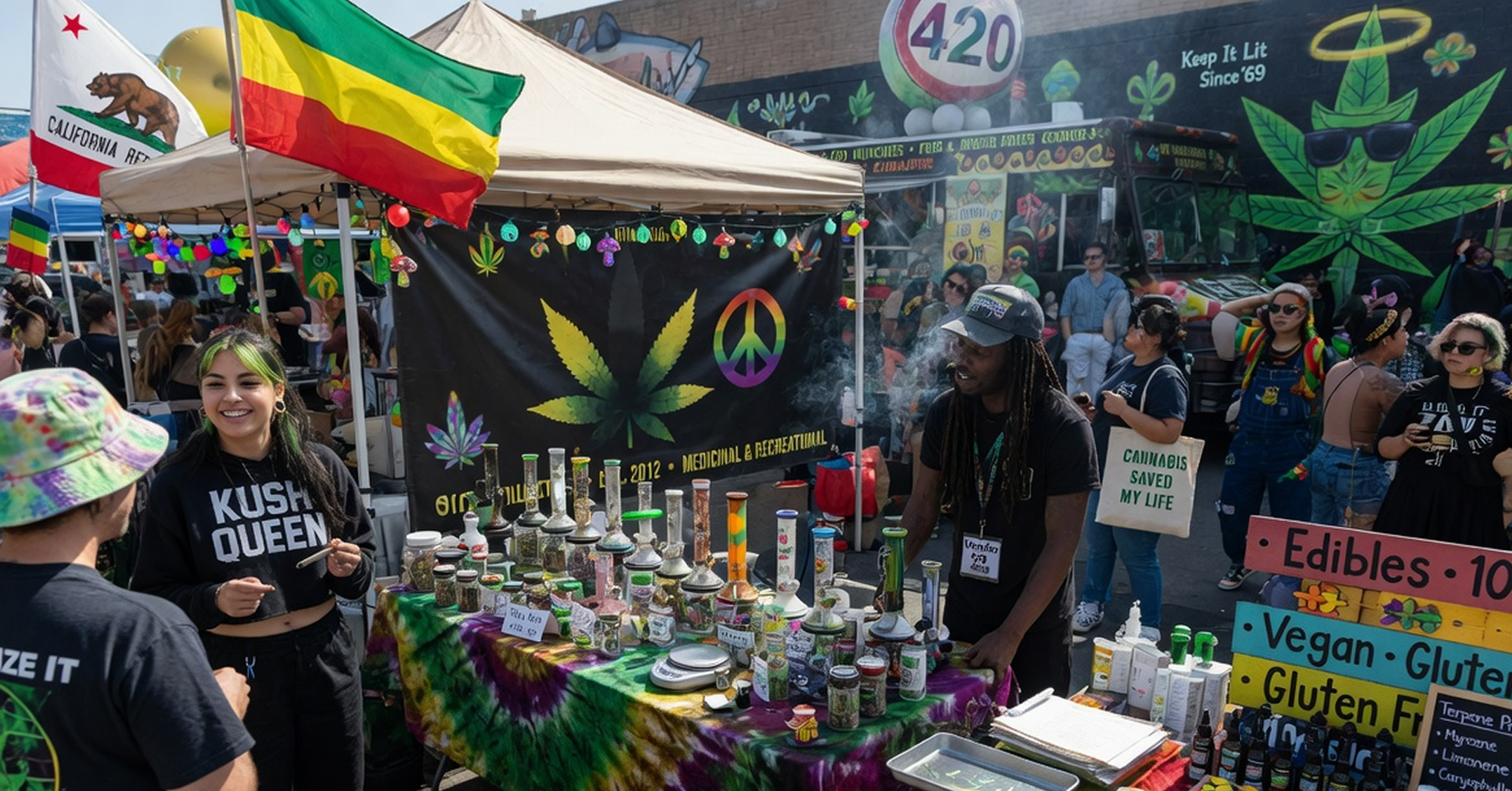
How New Jersey got from the War on Drugs to legal adult-use sales — and why Bloomfield Avenue is a useful place to read that history.
 PRODUCTS
A guide to the gummies, chocolates, and low-dose edibles worth buying at licensed NJ shops — and what New Jersey's dosage rules mean for consumers.
 LAWS
LAWS
Home cultivation of cannabis is one of the most misunderstood parts of New Jersey's legalization law. Here's what Bloomfield residents need to know.
 EVENTS
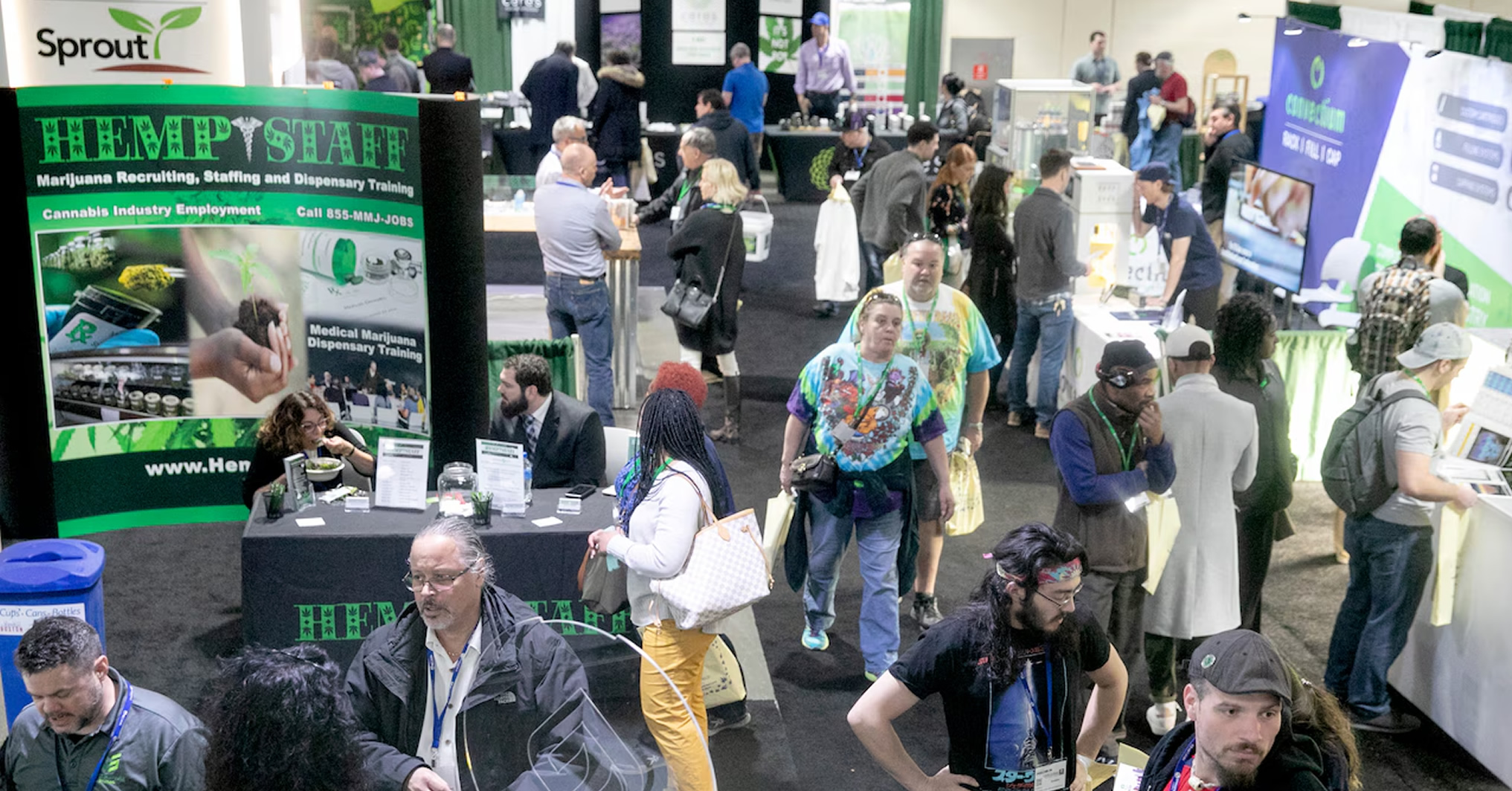
April 20th is increasingly a full New Jersey cultural calendar. Here's the state's event lineup and the Nightjar party worth putting on yours.
 EQUITY
NJ's cannabis equity grants promised a more diverse industry. Here's the reality on the ground two years in — and how Nightjar fits.
 NEIGHBORHOOD
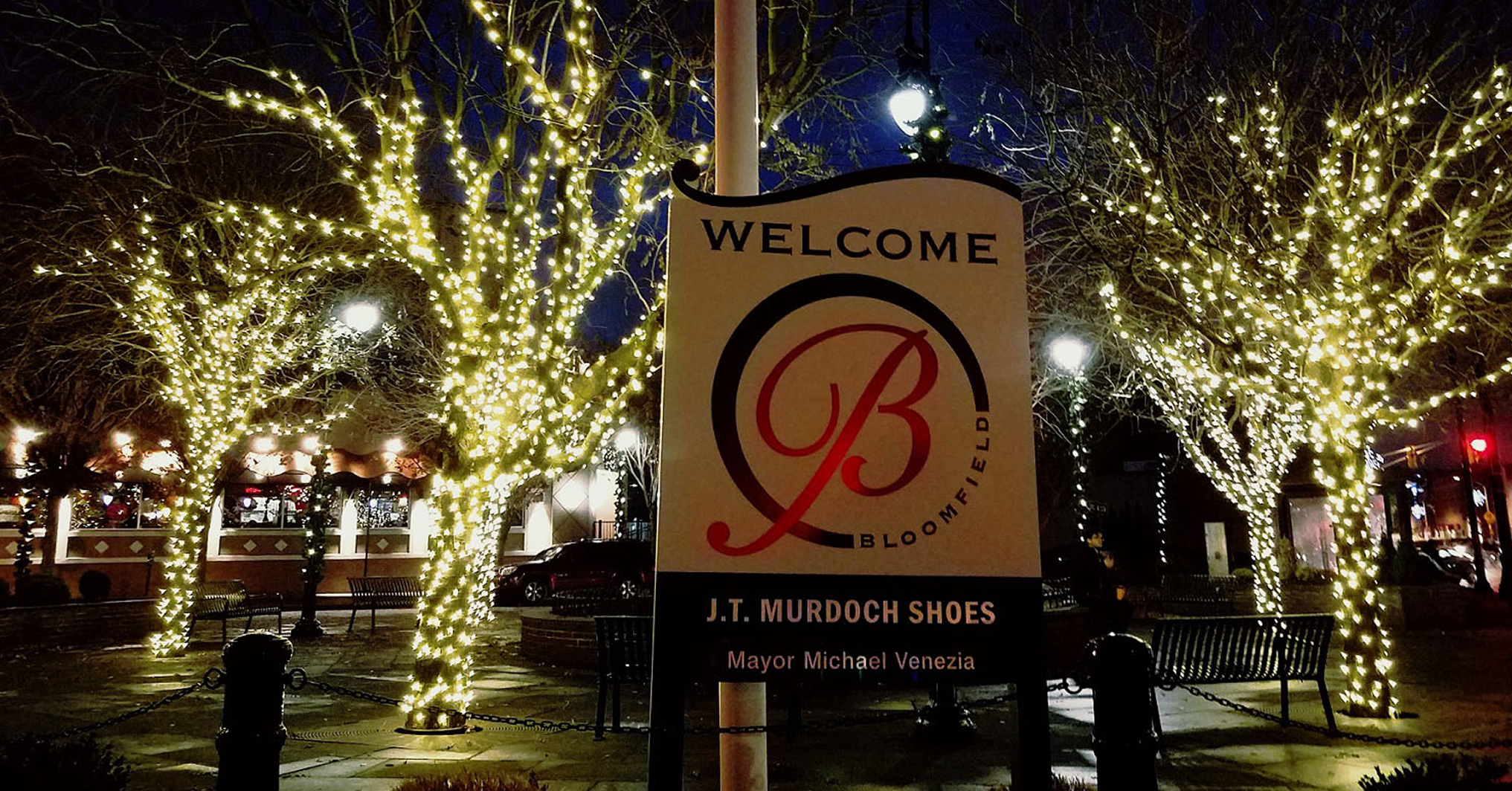
A walkable guide to the historic cross-Essex corridor that Nightjar now calls home.
Bloomfield's women- and minority-owned craft cannabis dispensary. A New Jersey CRC-licensed adult-use retailer, founded by three women and staffed almost entirely by Essex County locals.
Mon–Sat: 9AM–9PM · Sun: 11AM–7PM
Phone: (973) 707-2915
The Bloomfield Cannabis Journal covers the legal cannabis industry in New Jersey, with a specific focus on Bloomfield Township and the wider Essex County region. We report on the NJ Cannabis Regulatory Commission, adult-use retail policy, social equity programs, and local dispensary news — always labeled, never pretending to be neutral when we're publishing sponsored coverage.
Bloomfield, New Jersey is a vibrant, historic township in Essex County that perfectly embodies the American suburban experience: a place where Revolutionary War roots meet modern diversity, industrial heritage gives way to residential charm, and convenient access to New York City coexists with tight-knit community life.
Bloomfield, NJ
Bloomfield is an inner-ring suburb of Newark, just 7–8 miles from Manhattan and minutes from Newark Liberty International Airport. As of the 2020 U.S. Census, its population stood at 53,105, with a 2024 estimate of 55,416 — a steady rebound after mid-20th-century stagnation. It ranks among the more densely populated municipalities in New Jersey (about 9,950 people per square mile) yet retains a surprisingly green, small-town feel thanks to its parks and historic districts. The township takes its name from Joseph Bloomfield, a Revolutionary War general, early New Jersey governor, and namesake of the Presbyterian church founded in 1794. Its most iconic landmark, the Bloomfield Green Historic District, was added to the National Register of Historic Places in 1978 and remains the symbolic heart of the community.
History: From Lenape Land to Industrial Suburb The area was originally home to the Lenape people. European settlement began in the late 1600s when English Puritans from Newark and Dutch families from Acquackanonk (now Passaic) acquired land. By the mid-18th century, English and Dutch neighborhoods had largely merged. The township was formally incorporated on March 23, 1812, carved from Newark Township. At the time it was enormous — nearly four times its current 5.36 square miles — and later spawned several neighboring towns: Belleville (1839), Montclair (1868), Glen Ridge (1895), and others. The 19th century brought the Morris Canal, woolen mills (including the Oakes mill that supplied the Union Army), and early industry. The 20th century saw major employers like General Electric, Westinghouse, Schering, and the Charms Candy Company. After World War II, however, deindustrialization, environmental regulations, and the construction of the Garden State Parkway triggered population loss and urban challenges. By the early 2000s, Bloomfield had pivoted toward residential redevelopment, restoring many blighted properties and attracting new families.
Geography and Setting
Bloomfield covers just 5.36 square miles (mostly land) and sits at an elevation of about 174 feet. It borders Belleville, East Orange, Glen Ridge, Montclair, Newark, and Nutley in Essex County, plus Clifton in Passaic County. The township contains several census-designated places, including the large Brookdale neighborhood and parts of Silver Lake and Watsessing. The landscape mixes historic residential streets, commercial corridors along Bloomfield Avenue, and generous green space — most notably the 121-acre Brookdale Park (shared with Montclair) and 69-acre Watsessing Park. A Diverse and Growing Community Bloomfield’s demographics reflect the broader story of suburban New Jersey: increasing diversity and renewed growth. 2020 Census racial and ethnic breakdown: White (non-Hispanic): 37.0% Black or African American (non-Hispanic): 18.7% Asian (non-Hispanic): 8.5% Hispanic or Latino (any race): 30.5% Two or more races: 3.8% The population grew 12.2% between 2010 and 2020 after decades of modest decline, driven by young families and professionals drawn to its location, schools, and relative affordability compared with nearby Montclair or Glen Ridge.
Economy and Everyday Life
While heavy industry has largely departed, Bloomfield maintains a healthy mix of retail, professional services, and light commercial activity. The downtown area around the Green and Bloomfield Avenue features restaurants, shops, and services. Recent redevelopment has focused on mixed-use projects and transit-oriented development near the train stations. The township’s 2025 budget emphasized affordability, families, and public services, and it has earned repeated Sustainable Jersey bronze certification for environmental initiatives. Government and Public Services Bloomfield operates under a rare special charter (one of only 11 in New Jersey). It is governed by a Mayor and six-member Township Council (three at-large, three ward representatives), all elected to staggered three-year terms. The current mayor is Jenny Mundell (Democrat, term ends 2028), who was ceremonially sworn in alongside Councilwoman Monica Charris Tabares in late 2024. The township maintains its own police department and a professional fire department with four stations and 78 firefighters. It also boasts one of New Jersey’s oldest fire prevention bureaus (established 1953).
Education
The Bloomfield Public Schools district serves roughly 6,200 students across 11 schools, from the Early Childhood Center through Bloomfield High School (and the Bridges Academy alternative program). The district consistently spends below statewide averages per pupil while maintaining strong community support. Bloomfield College (founded 1868), a private liberal arts college affiliated with the Presbyterian Church, sits right in the heart of town near the Green and enrolls about 2,000 students. Private options include Saint Thomas the Apostle Parish School (K–8).
Transportation: Connected and Convenient Bloomfield is exceptionally well-connected: Garden State Parkway runs through the township with four interchanges and two service areas. NJ Transit Montclair-Boonton Line stops at Bloomfield station (downtown) and Watsessing Avenue station. Multiple NJ Transit bus routes (including the Go Bus 28 to Newark Airport) and the Newark Light Rail at nearby Grove Street. Easy access to Newark Liberty International Airport (7.5 miles) and Manhattan. Parks, Culture, and Landmarks Residents enjoy Brookdale Park (third-largest in Essex County), Watsessing Park, and eight smaller municipal parks. The Bloomfield Green remains the social and civic center, anchored by the historic Presbyterian Church (1794) and Brookdale Reformed Church. A fun pop-culture footnote: the final scene of the final episode of The Sopranos was filmed at Holsten’s Brookdale Confectionery, a longtime local ice-cream parlor.
Notable Residents
Bloomfield has produced or been home to an impressive roster of talent: Elizabeth Blackwell (first woman to receive a medical degree in the United States) Hank Borowy (Major League Baseball All-Star pitcher) Frank Tripucka (Notre Dame quarterback, later with the New York Jets and New Jersey Nets) Peter David (prolific science-fiction and comic-book writer) Donna Leon (best-selling mystery novelist) Bob Ley (longtime ESPN anchor) Kevin Burkhardt (NFL on FOX play-by-play announcer and Mets reporter) Numerous professional athletes, musicians, artists, and politicians
Why Bloomfield Matters
Bloomfield captures the essence of the classic American suburb that has successfully reinvented itself. It offers historic charm and community institutions alongside the diversity and energy of a modern, growing township. Its location — close enough to New York City for commuters, yet far enough to feel like a real hometown — makes it a hidden gem in the New York metropolitan area. Whether you’re walking the tree-lined streets around the Green, catching a train into Manhattan, cheering at a Bloomfield High School game, or grabbing ice cream at Holsten’s, Bloomfield delivers a genuine sense of place that few suburbs can match. It is, in every sense, a community that honors its past while confidently building its future.
Cannabis dispensaries in the United States have transformed from clandestine buyers’ clubs into a mainstream, multi-billion-dollar retail sector. These state-licensed storefronts (and increasingly delivery services) sell cannabis flower, edibles, concentrates, vapes, and accessories for either medical or recreational (“adult-use”) purposes. As of early 2026, the United States is home to nearly 15,000 cannabis dispensaries. 79% of Americans now live in a county with at least one. The legal market generated approximately $31.5 billion in sales in 2025 and is projected to reach $30.5–49.7 billion in 2026, depending on the forecast.