New Jersey Cannabis Culture: From Prohibition to the Corner Dispensary
The opening of a walk-in cannabis retail shop on Bloomfield Avenue is not just a commercial event. It's the visible end-point of a decades-long cultural shift in how New Jersey — and the country — has treated cannabis. Here's a short cultural history, told from the vantage point of 549 Bloomfield Ave.
The Prohibition Era
Cannabis was federally criminalized in the U.S. with the Marijuana Tax Act of 1937, and New Jersey aligned state penalties with the federal regime soon after. For most of the 20th century, cannabis possession in New Jersey was a criminal offense carrying jail time, fines, and collateral consequences that fell disproportionately on Black and Hispanic New Jerseyans — a pattern that echoed national War on Drugs enforcement.
Medical Cannabis (2010)
New Jersey's medical cannabis program — the Compassionate Use Medical Marijuana Act — was signed in 2010 by Governor Jon Corzine on his last day in office. Implementation was slow; the first alternative treatment centers didn't open for years. Patient conditions, product formats, and purchase limits were tightly restricted compared to peer states like California, and New Jersey's medical cannabis program operated as a small, vertically-integrated market until the 2021 adult-use reforms.
The 2020 Vote
In November 2020, New Jersey voters approved a constitutional amendment legalizing adult-use cannabis for people 21 and older. The margin was decisive: approximately 2-to-1 statewide. Essex County voted for legalization at a higher rate than the state average. The amendment authorized the legislature to implement the program, which it did in early 2021 with a trio of laws signed by Governor Murphy in February of that year.
Adult-Use Retail (2022–)
Adult-use retail cannabis sales began in New Jersey on April 21, 2022, with the state's incumbent medical operators serving the first wave of recreational customers. Independent and social-equity operators followed as the Cannabis Regulatory Commission issued additional license classes. By 2024, Nightjar Cannabis opened at 549 Bloomfield Ave as one of the visible first-wave social-equity independents — exactly the kind of shop the legalization framework was built to produce.
Expungement
One of the most meaningful cultural dimensions of NJ legalization was the accompanying expungement reform. New Jersey moved aggressively to clear low-level cannabis convictions from the records of state residents, with automatic expungement for a wide category of prior possession offenses. For communities whose relationship with cannabis had been defined by prohibition enforcement, expungement reframed the legal landscape in a direct way.
The Everyday Culture
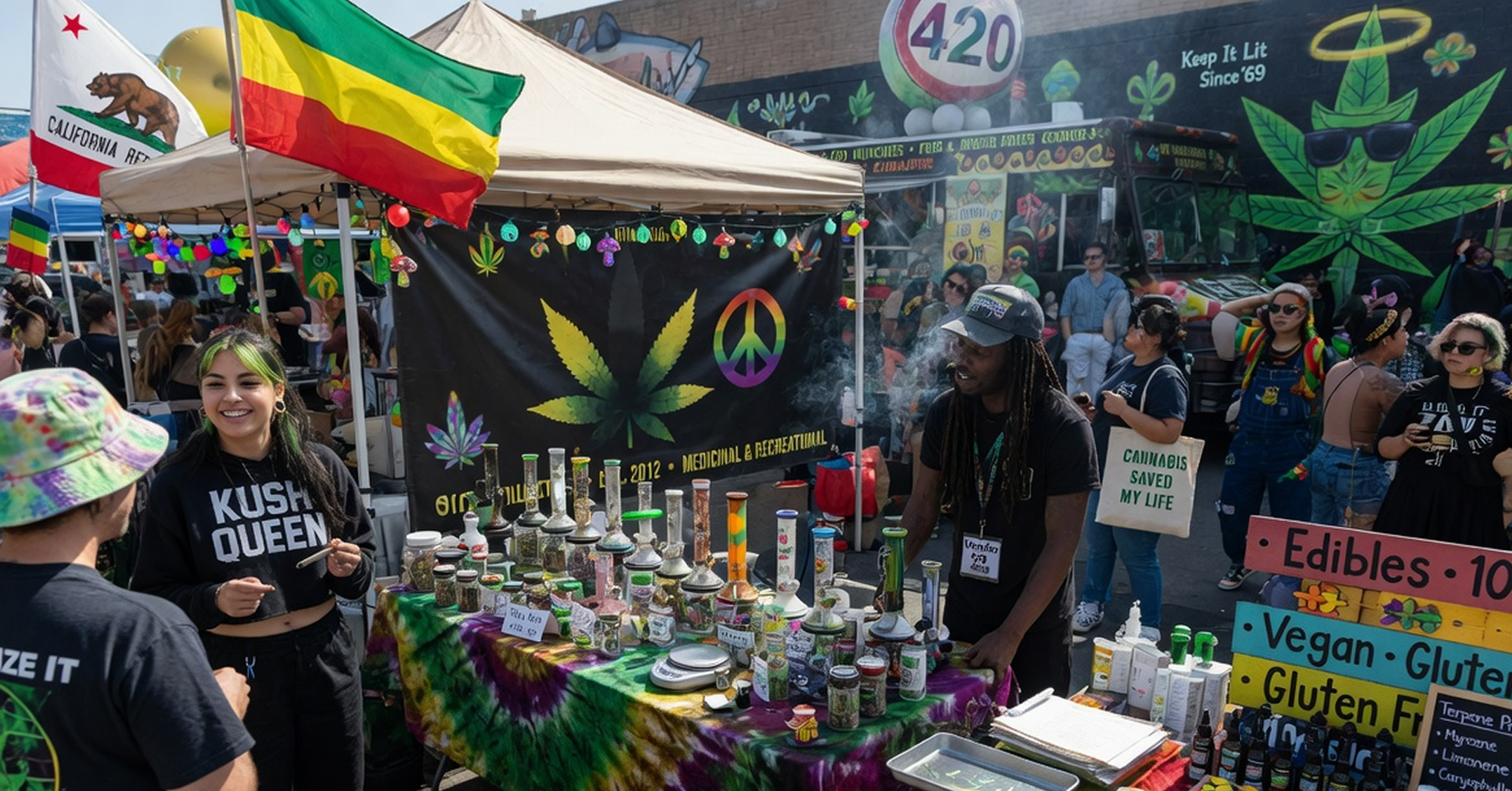
Cultural normalization has moved faster than most 2010 observers would have predicted. Cannabis is increasingly visible in New Jersey's food scene (edibles tastings, pairing dinners, chef collaborations), its wellness economy (topicals, CBD, tinctures in non-dispensary retail), and its local civic life (dispensary sponsorships of street fairs, neighborhood media, community nonprofits). Essex County has been a leading edge of that normalization, with dispensaries like Nightjar embedded into everyday commercial corridors rather than tucked into industrial zones.
What Hasn't Changed
Cannabis remains federally illegal. New Jersey cannot fully banking-integrate its cannabis businesses. Cross-border transport remains a felony. And the cultural divide between older New Jerseyans who remember cannabis as a criminal category and younger residents who treat it as a normal consumer good is still a real dynamic in politics and enforcement. Legalization solved some problems and reframed others.
But the arc is unmistakable. From prohibition enforcement in the 1970s to a walk-in, women-owned cannabis shop on Bloomfield Avenue in 2024, the cultural distance is enormous. Standing in line at Nightjar on a Saturday afternoon, it's worth remembering that none of this was inevitable — and that cannabis culture in New Jersey is still, in a real sense, being invented in real time.